Source Rock Cutting Mulcher Teeth for Excavators, Tractors, and Motors
Compare 30 verified listings for rock cutting mulcher teeth with varying hardness, materials, and weights. Buyers can evaluate specifications like AISI4140 bodies and ISO certifications to find suitable options for excavators, tractors, and motor applications; compare the available evidence and request quotations based on your requirements.
Key considerations
Products List




Comprehensive Sourcing Guide
Rock Cutting Mulcher Teeth Sourcing Guide
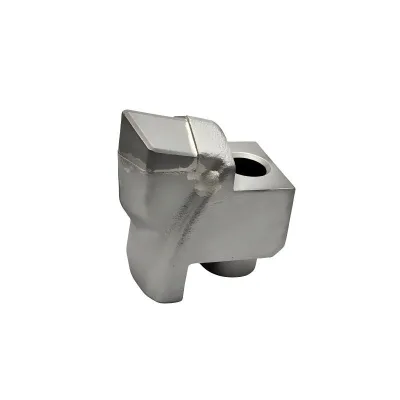
Procuring rock cutting mulcher teeth requires a disciplined approach to material selection and geometric design, as these components endure extreme abrasive wear and high-impact shock loads. Buyers must prioritize hardness and toughness balance, ensuring the tungsten carbide tips and alloy steel bodies resist fracture during heavy-duty forestry and land clearing operations. The observed market data indicates a wide variance in specifications, from specific model numbers like Viking Knife and K3 to generic OEM dimensions, necessitating rigorous verification of fitment before placing orders.
Successful sourcing hinges on aligning supplier capabilities with your specific machinery’s hydraulic power and attachment interface. Since observed listings include diverse power sources such as diesel and gasoline engines, it is critical to confirm that the selected teeth are compatible with your mulcher head’s rotation speed and torque requirements. Ignoring these mechanical synergies can lead to premature failure, increased downtime, and costly secondary damage to the main rotor assembly, making technical due diligence the cornerstone of any procurement strategy.
Product Scope and Observed Listing Signals
The current market landscape for rock cutting mulcher teeth reveals a fragmented supply base with significant variation in product identification and packaging standards. Observed listings feature model designations ranging from KFS142 and PFS-MER to C 2 TEETH and UPT09, suggesting that many suppliers operate as generic manufacturers or traders rather than specialized OEMs. This diversity in naming conventions implies that buyers cannot rely solely on model numbers for identification; instead, they must cross-reference physical dimensions, hole sizes, and bolt configurations to ensure compatibility with existing equipment fleets.
Packaging and origin data further highlight the need for careful logistical planning, as suppliers are located in diverse regions such as Changzhou and Zhejiang, Ningbo, with lead times extending from 30 to 50 days. The observed packaging methods vary from plastic boxes and wooden cases to iron cases, indicating inconsistent protection standards that may affect transit integrity. Buyers should anticipate potential variations in unit weight, which ranges from approximately 0.98 kg to 2.98 kg, and verify that the supplier’s shipping protocols adequately protect the hardened carbide tips from chipping during international freight handling.
Technical Specifications to Verify
Material composition is the primary determinant of tooth longevity, with observed listings specifying bodies made from AISI4140 and AISI4142 alloy steels, paired with tungsten carbide tips. Buyers must verify that the steel grade meets the required tensile strength and impact resistance for their specific application, as lower-grade alloys may crack under sudden shock loads. Additionally, hardness ratings observed in the market range from HRC38 to HRC46, indicating a trade-off between wear resistance and toughness; softer teeth may be more resistant to shattering, while harder teeth offer superior abrasion resistance in rocky terrain.
Geometric fitment is equally critical, with observed hole sizes varying between 20mm and 34-36mm, often customizable to OEM specifications. The bolt configurations also differ, with some listings specifying two-bolt thread systems, requiring precise measurement of your mulcher’s mounting points. Buyers should request detailed technical drawings or CAD files to confirm that the tooth’s profile, including its tip angle and body length, matches the retention mechanism of their machine. Misalignment in these dimensions can lead to improper seating, causing vibration, accelerated wear, and potential detachment during operation.
Compliance and Safety Documentation
While ISO 9001 certification is frequently cited in the observed market, buyers must distinguish between general quality management systems and product-specific safety certifications. The presence of ISO 9001:2008 or similar standards indicates that the supplier has established processes for consistent manufacturing, but it does not guarantee that the teeth meet specific international safety or performance benchmarks for heavy machinery attachments. Buyers should inquire whether the supplier conducts internal stress testing or third-party validation to ensure that the hardness and material properties remain consistent across production batches.
Documentation regarding the origin and composition of raw materials is essential for traceability and liability purposes. Buyers should request material test reports that confirm the chemical composition of the AISI4140/4142 steel and the grade of tungsten carbide used in the tips. This documentation helps verify that the supplier is not using substandard recycled materials that could compromise the tooth’s structural integrity. Additionally, clear labeling of the product origin, such as Changzhou or Ningbo, aids in assessing the supplier’s logistical reliability and potential exposure to regional supply chain disruptions.
Cost Drivers and Commercial Terms
Pricing in the mulcher teeth market is influenced by material costs, manufacturing complexity, and order volume, with observed price ranges spanning from $1 to $100 per unit. Buyers should recognize that lower prices may correlate with thinner carbide tips, lower-grade steel, or less rigorous heat treatment processes. The observed minimum order quantities (MOQ) range from 1 to 1000 units, suggesting that smaller buyers may face higher per-unit costs or limited customization options. Understanding these cost drivers allows buyers to negotiate effectively and align their procurement volume with their operational consumption rates.
Lead times and payment terms are significant commercial factors, with observed delivery windows extending from 30 to 50 days, reflecting the manufacturing and shipping logistics involved. Buyers should clarify whether these lead times include production, quality control, and freight, and negotiate penalties for delays that impact their project schedules. Additionally, buyers should assess the supplier’s flexibility regarding customization, as observed listings indicate that customization is available, which may incur additional tooling or setup fees but ensures optimal fitment for specialized machinery.
Supplier Qualification and Quality Control
Evaluating supplier capability requires a thorough review of their manufacturing infrastructure and quality assurance protocols. Buyers should verify whether the supplier operates in-house forging, heat treatment, and carbide welding facilities, as these processes are critical for achieving the observed hardness ranges of HRC38-46. Suppliers with integrated production lines are more likely to maintain consistent quality and offer faster turnaround times compared to those who outsource key manufacturing steps. Requesting samples for physical inspection allows buyers to assess the weld quality, tip alignment, and surface finish before committing to larger orders.
Quality control measures should include routine hardness testing and dimensional checks against the specified standards, such as the observed hole sizes and bolt configurations. Buyers should inquire about the supplier’s defect rate and their policy for handling non-conforming products, ensuring that there is a clear mechanism for replacement or credit. Additionally, verifying the supplier’s ability to provide consistent packaging, such as the observed plastic boxes or wooden cases, helps protect the teeth from damage during transit, preserving their readiness for immediate installation upon arrival.
Long-Term Procurement Checks
Establishing a long-term partnership with a mulcher teeth supplier requires continuous monitoring of performance metrics and supply chain stability. Buyers should track the actual service life of the teeth in the field, comparing observed hardness and material claims against real-world wear rates. This data-driven approach enables buyers to identify suppliers who deliver consistent quality and adjust their procurement strategies based on performance rather than just price. Regular communication with the supplier regarding any design improvements or new material technologies can also help maintain operational efficiency and reduce total cost of ownership.
Adapting to market changes and supplier evolution is essential for sustained procurement success. Buyers should periodically reassess their supplier base to ensure that they remain competitive in terms of pricing, lead times, and customization capabilities. Given the observed lead times of 30-50 days, maintaining a buffer stock or diversifying suppliers can mitigate the risk of production delays. Furthermore, staying informed about industry standards and technological advancements in carbide and alloy steel manufacturing ensures that buyers continue to source high-performance teeth that meet the demanding requirements of rock cutting and mulching applications.
FAQs
What certifications do rock cutting mulcher teeth have?
Many products carry ISO 9001 certification, ensuring quality management systems are in place. Some listings also reference ISO9001:2008 standards for manufacturing processes. Buyers should verify specific certification documents for each model to confirm compliance with international safety and quality requirements before placing orders.
Which materials are used for the body and tip?
The body material is typically AISI4140 or AISI4142 steel for durability. The tip material is often Tungsten Carbide to withstand heavy abrasion. These combinations provide high hardness and resistance to wear, making them suitable for demanding excavation and rock cutting applications in various industrial environments.
How is the hardness of the teeth measured?
Hardness is measured using the Rockwell C scale, with values ranging from HRC38 to HRC46 depending on the specific model. This range ensures the teeth maintain sharpness and structural integrity during operation. Buyers should check the specific hardness rating for their required application to ensure optimal performance.
Can I request customization for these cutting teeth?
Yes, customization is available for many rock cutting mulcher teeth models. Suppliers often allow modifications to specifications like hole size or bolt types to fit specific machinery. Buyers should contact vendors directly to discuss custom requirements and confirm lead times for tailored production runs.
What is the typical lead time for orders?
Lead times generally range from 30 to 50 days depending on the supplier and order volume. Some manufacturers specify 30-40 days while others may require 40-50 days for production and shipping. Buyers should confirm exact timelines with their chosen source to align with project schedules effectively.
Where are these products manufactured?
Products originate from manufacturing hubs in China, specifically Changzhou and Zhejiang Ningbo regions. These locations host factories equipped to produce heavy-duty cutting tools. Buyers can expect consistent quality from these established industrial centers known for metalworking and machinery component manufacturing.
What packaging options are available for shipping?
Packaging varies by model and includes plastic boxes, wooden cases, iron cases, and wooden boxes. Some items are packed in plastic boxes with wooden cases for extra protection. Buyers should specify their preferred packaging type to ensure safe transport and compliance with import regulations for their destination.